Building Pacific Islander & Asian American Futures at Berkeley and Beyond
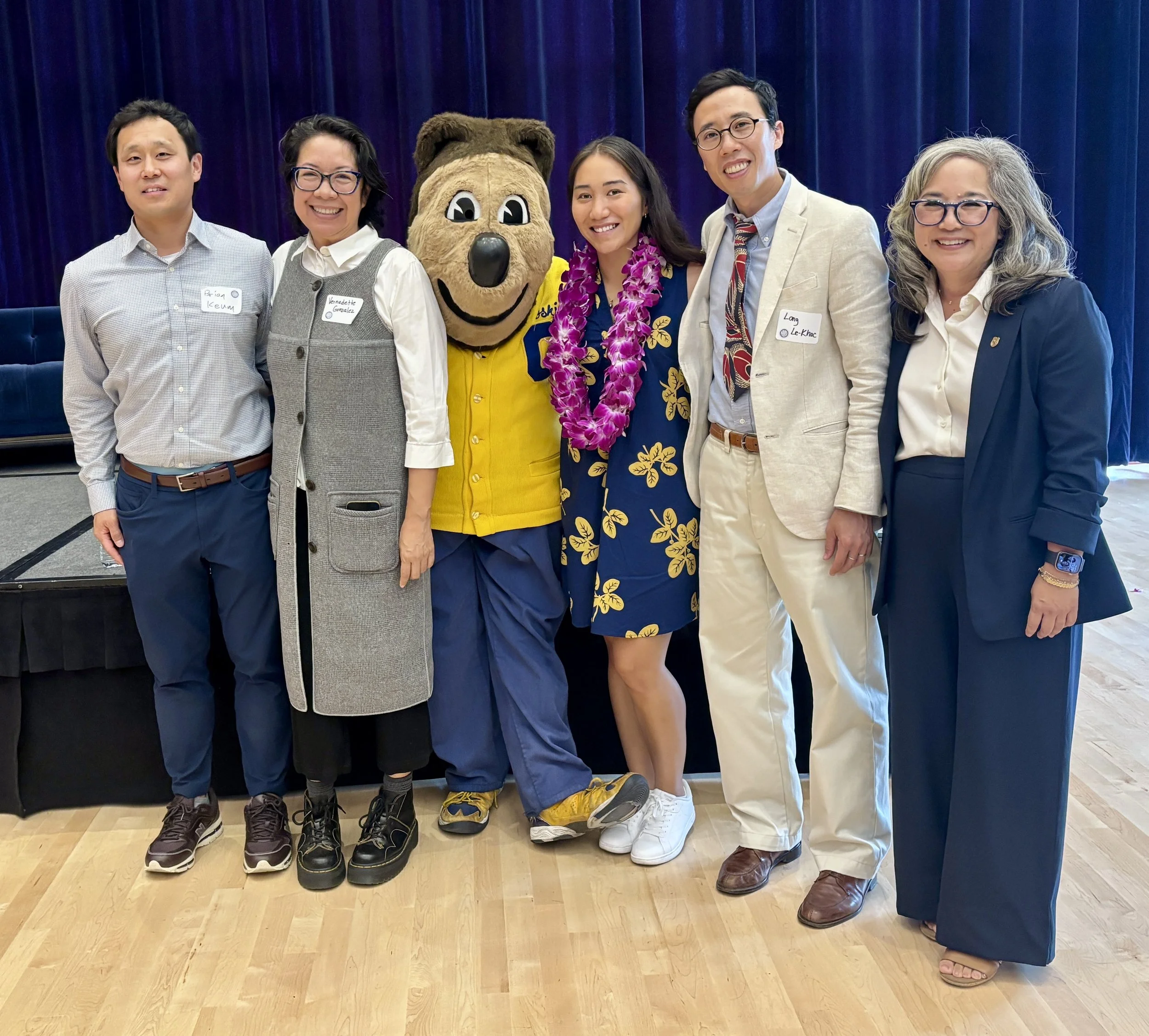
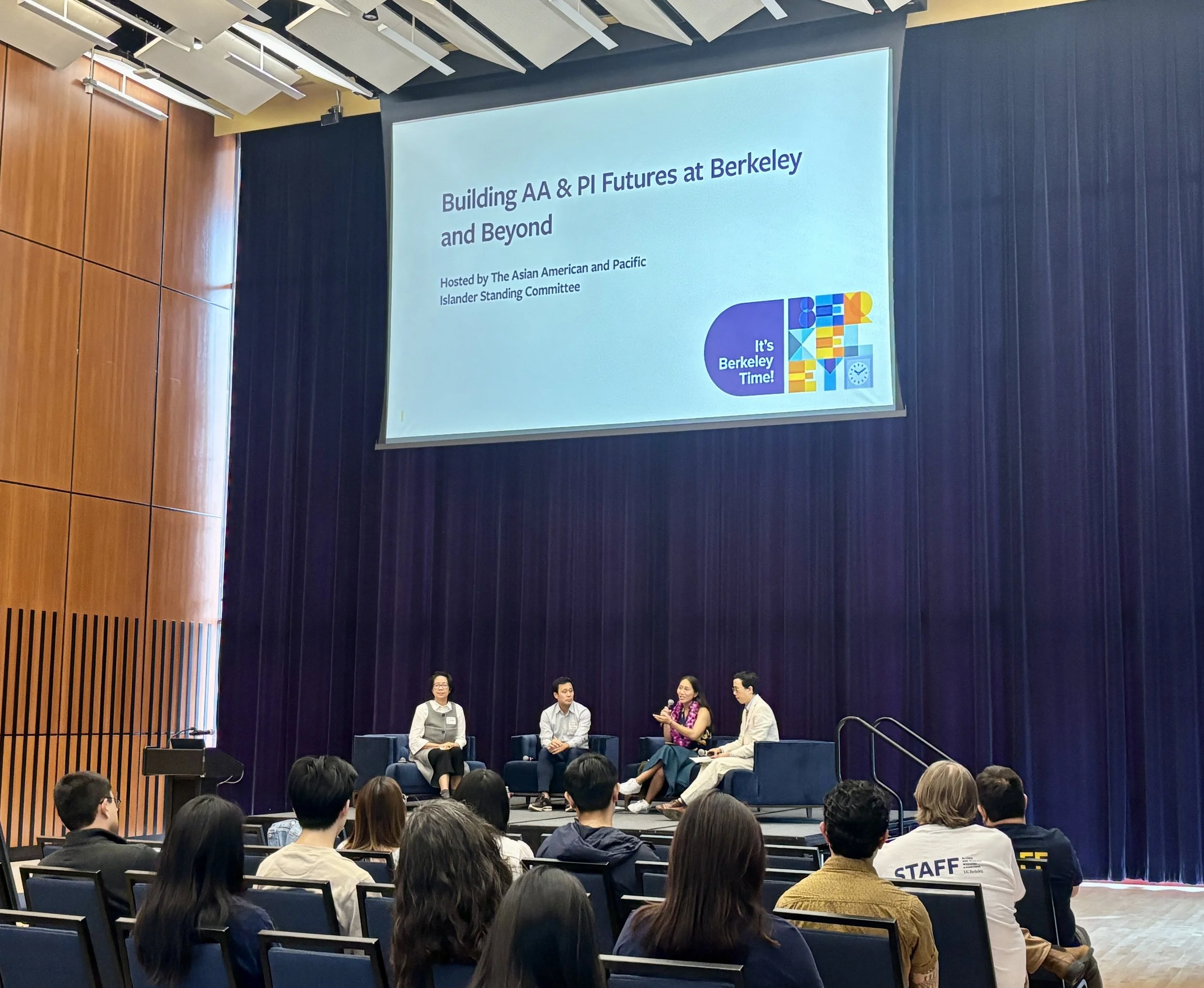
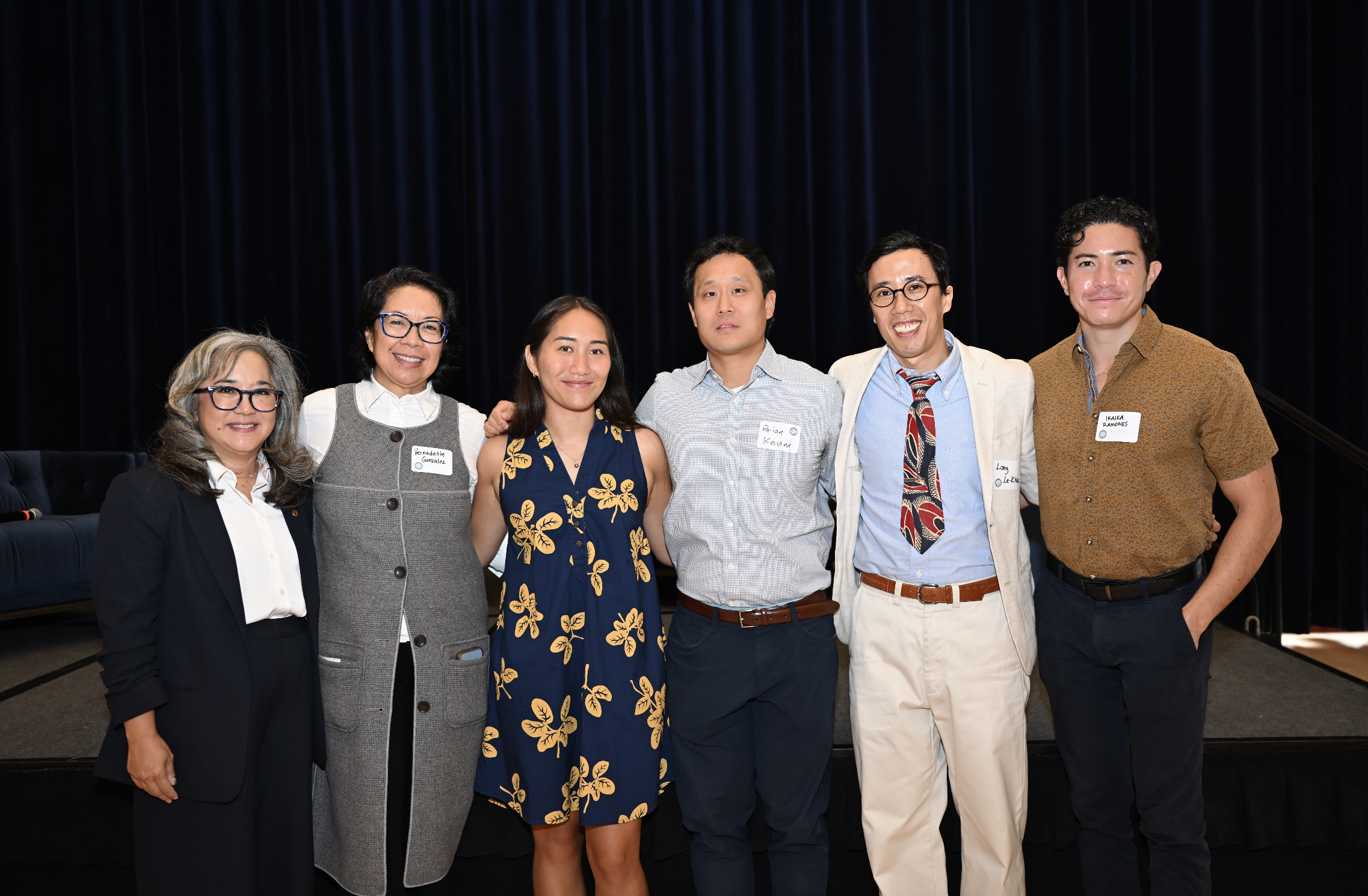
On October 9, representatives of the Asian American and Pacific Islander Transpacific Futures cluster gave a panel presentation on our work to build AA & PI futures at UC Berkeley and beyond. We spoke about our journey to Cal, our research and teaching, and our hope for the AAPITF cluster. Below are some of my remarks on our potential.
My Journey to Xučyun: Nānākuli instilled in me a sense of what Kanaka ʻŌiwi pride and abundance could look like. When I began attending Kamehameha Schools, a private K–12 institution for Kanaka ʻŌiwi, that sense became normalized. It was an everyday occurrence for me to know that I am part of a longer legacy of Kanaka ʻŌiwi that came before us, have walked with us, and will carry forth our stories for generations to come. One of the people who taught me about pride and abundance is my maternal grandmother Laura Kauakahekili Kealoha Tau’a, a woman who never completed high school and was one of the most knowledgeable and skilled people I had the privilege of knowing; someone who valued self-education and the process of learning, not just the outcome, who saw abundance rather than deficits or scarcity. I think of ka palupalu o Kanaloa, an endemic plant to Hawaiʻi found on the island of Kahoʻolawe/Kanaloa. This is a plant that many believed had gone extinct because of the U.S. military’s destruction on that island. However, through the restoration of our cultural practices, we have been able to renew our relationship with and responsibility to ka palupalu o Kanaloa. To this end, a scarcity mindset views this plant only as endangered, threatened, weak. An mindset attuned to cultural continuity views this plant as a symbol of our people’s persistence. I think this distinction between mindsets has been a defining thread in my pathway to Berkeley so far, that coming to know abundance served me when I found myself in places and spaces that might have only been defined as absence — when in reality there was a legacy of proud Kanaka ʻŌiwi, proud Pacific Islanders, proud Indigenous Peoples who were making things happen, who were self-educating and strategizing to make a better future possible. I think that was the mindset that helped me when I was in Abenaki territory out in the Northeast, when I was in Tongva Gabrielino territory in Southern California, and now here in Ohlone territory in this place called Xučyun. My pathway is one of deep appreciation for all the proud, abundant individuals who have come through this institution, knowing they have gifts and stories to share: Caroline Sinavaiana, Lisa Kala, Fuifuilupe Niumeitolu, Leke Hutchins come to mind. And now, I feel very grateful that when my path appeared to veer toward Berkeley as a place where I might contribute to this sense of pride and abundance for Kanaka ʻŌiwi, Pacific Islanders, indigenous peoples, and Asian Americans, that there were already allies and colleagues in the right spaces that could make that happen.
My research and teaching: A set of four core values animate my research and teaching: Kuleana (role responsibility privilege), hōʻihi (respect), ea (sovereignty, breath, and life), and pono (balance and justice). In all of my scholarly endeavors, I center these values simply because these are the values that were taught to me by my Kumu my teachers and because this is what contributes to pride and abundance. For ea, sovereignty, I think of every research project and class, as an everyday act of sovereignty and resistance, as a means to plant seeds for Kanaka ʻŌiwi nationhood. A piece that I’m working on right now with Dr. Kēhaulani Vaughn at UC Riverside positions indigenous educational self-determination as a form of ea that contributed to empowering educational futures for our young people. For pono, my research amplifies the educational spaces in homes, schools, and communities where intergenerational learning is an act of justice full of ideological lessons on knowing how to find goodness in our relations with land and people. For kuleana, I believe it is my role and responsibility to train students to not only read literature from diverse perspectives but also to read the world through a lens attuned to the nature of power and how it dictates whose perspectives matter in dominant curricula and pedagogy. A second research project that I’m really excited about is a research practice partnership with Berkeley Unified School District teachers who are fulfilling the district’s commitment to teach Ethnic Studies throughout the K–12 schooling system, and as a proud graduate of Hawaiian-focused K–12 schooling, I find this project is helping me understand not only how teachers are navigating their roles and responsibilities in the district but also the politics of education and their own personal stances when it comes to persistence in Ethnic Studies pedagogy as a means of teaching with a deeper sense of purpose. For hōʻihi, respect, it is also my commitment to move humbly in research and teaching. To know that while I am proud to write what I write and to teach what I teach, I know there are so many worldviews and discourses in the world that we must listen to. I’m currently teaching a course on NHPI & AA educational struggles and collective learning for racial justice that centers respect for the stories of diverse peoples and partnership with communities if we want to respond to their particular concerns and needs.
My hope for the cluster: In the words of Aunty Manulani Aluli Meyer, “Hāhai no ka ua I ka uluʻlāʻau. Plant a forest, and the rains will come. The rains follow the forest. Share purpose with others, and transform the world.” This ʻōlelo noʻeau applies to so many circumstances on this campus pertaining to our communities. It’s a testament to this notion of legacies, that we are the answers to our ancestors’ prayers, and now, we have a responsibility to fulfill those prayers while also being good ancestors for current and future generations. My hope is that our students know us and recognize us, that community members who have endured know us and recognize us, that our faculty colleagues see us and know that our charge goes beyond our cluster, that we are here to represent pride and abundance. ʻOia wale nō. Mahalo.